I Rented My Spare Disk to the Network, Here's the Math
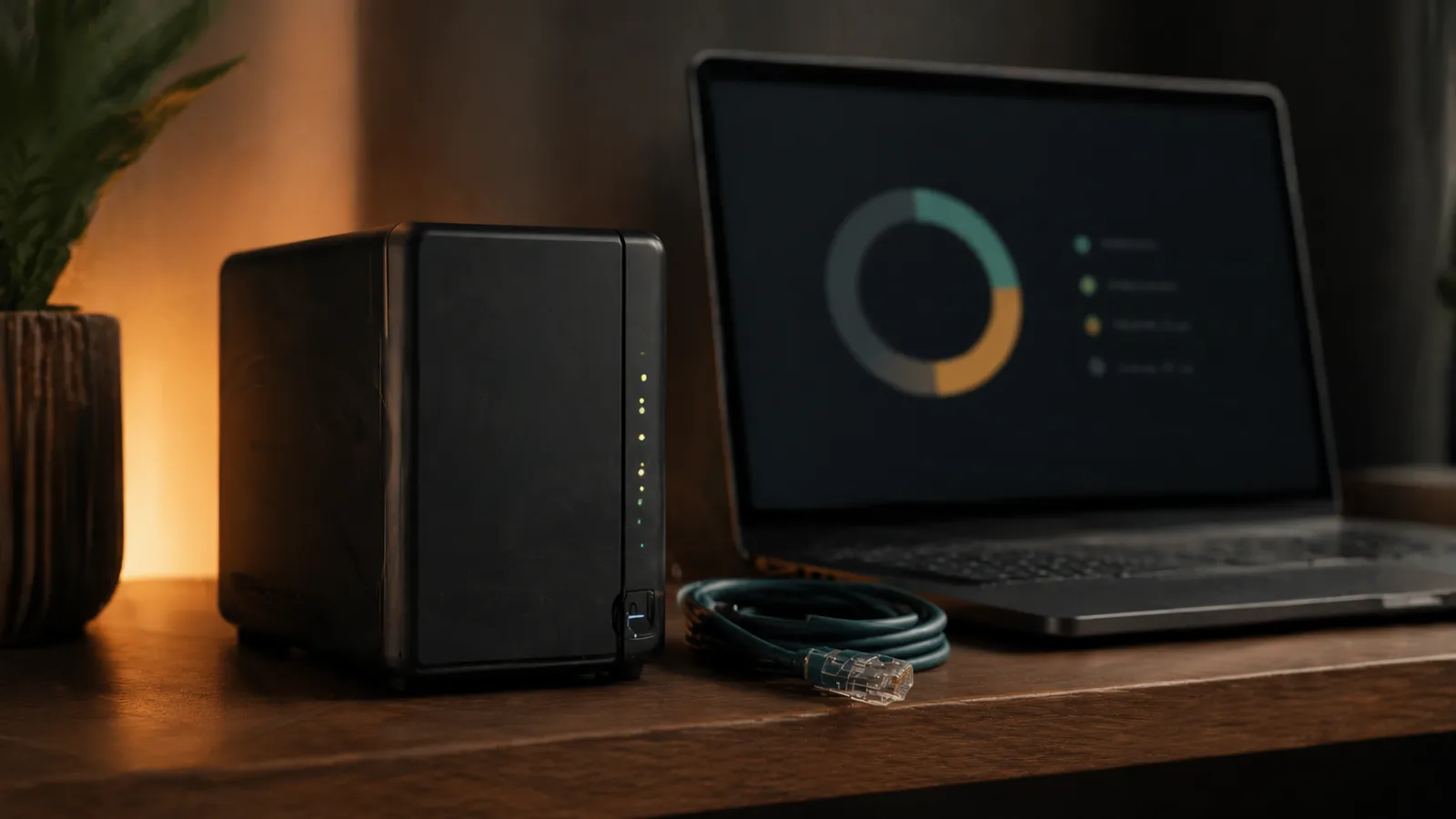
I had a 4 TB drive sitting empty after a backup migration in 2024, and a mini PC that was already running 24/7 for my bandwidth apps test. Renting the disk to a decentralised storage network felt like the cleanest next move. Eighteen months in, I know exactly what the two big protocols pay, and what they quietly cost.
Storj, the one that pays on a home setup
Storj was the first node I stood up. A single Docker container, the setup wizard, 4 TB mapped, identity authorised. Two days later the node was accepted on the network. The first three months are a vetting period with slow earnings growth; my node crossed the full payout threshold at day 94 and has been stable since. Payouts land in USDC on the Polygon network around the 10th of each month, no minimum for the transfer back.
Current monthly number on my single 4 TB node: 14.80 USDC last month, plus 2.10 USDC in held escrow that will release at the 15 month node anniversary. The withdrawal I care about is the clean one; 48 USDC arrived on day 68 after I passed vetting, and every month since has cleared 8 to 17 USDC depending on network demand.
Filecoin, the one that is not for home nodes
I tried Filecoin on a borrowed server for three months. The sealing workload hammered the CPU, the collateral requirement locked value I could have put to work elsewhere, and the payouts arrived in FIL which itself is volatile. My test ended at roughly break even after electricity. Filecoin is interesting infrastructure, but for a home passive stream it is the wrong tool.
For the broader mindset of keeping a stream only if it pays without drama, the passive income hub is where I list the five I actually kept. The pattern is the same as picking sharp versus soft bookmakers; you want the boring, predictable edge, not the loud one.
The real cost ledger, after a year and a half
- Hardware: 4 TB WD Red, 92 euros, already owned. Mini PC Fujitsu Q556, 85 euros second hand.
- Setup time: 2 hours for the Storj node, around 14 hours for the Filecoin miner.
- Electricity: measured at 11 watts idle, 18 watts under load. Roughly 1.10 euros a month at French tariffs.
- Bandwidth: 180 to 260 GB upload per month. My unlimited FTTH plan absorbs it without penalty; on a capped plan this is a deal breaker.
- Disk wear: 34 TB written in 18 months, well inside the WD Red endurance rating.
Net across 18 months: 212 USDC out, roughly 23 euros of electricity, zero new hardware bought. A slow stream, but a stream that sits in USDC and moves straight to the bridge I use for my crypto betting rails when I want to redeploy it.
Pin the node to a static IP on your router
Storj uptime scoring is unforgiving. A nightly DHCP rotation dropped my node for 40 minutes a week and shaved roughly 18 percent off my monthly payout for two cycles. Binding the node's MAC to a static local IP on the router fixed it in ten minutes. The dashboard will not tell you what is happening; check the debug log on week two.
Do not run a Storj node on a drive that also holds your personal backups. A failed SMART test on a shared drive dropped both my backup partition and my storage node at the same time in 2024. One drive per job, a cheap 4 TB is cheaper than the reputation penalty from a single disqualification.
Frequently asked
Storj or Filecoin, which pays faster?
Storj, by a wide margin. I got my first 48 USDC withdrawal after 68 days on a 4 TB node. Filecoin is a much longer game; the collateral lock and sealing overhead mean you are in months of red before a clean payout. For a home setup under 8 TB, Storj wins.
Do I need a dedicated machine?
Not for Storj. A mini PC running Linux with a single external drive cleared my tests. Filecoin is different; sealing sectors needs a recent CPU, 32 GB RAM minimum and an NVMe for scratch. On a home box you are flirting with the minimum requirements and thermal throttling.
What does the electricity actually cost me?
My Storj node draws 11 watts at idle and peaks at 18 watts. On French residential tariffs that is under 1.20 euros a month. Filecoin on a proper worker pulled 78 watts average which bites into the payout noticeably. Always measure with a plug meter before trusting any ROI claim.