Running Crypto Nodes on a 280 Euro Mini PC, and What It Actually Paid
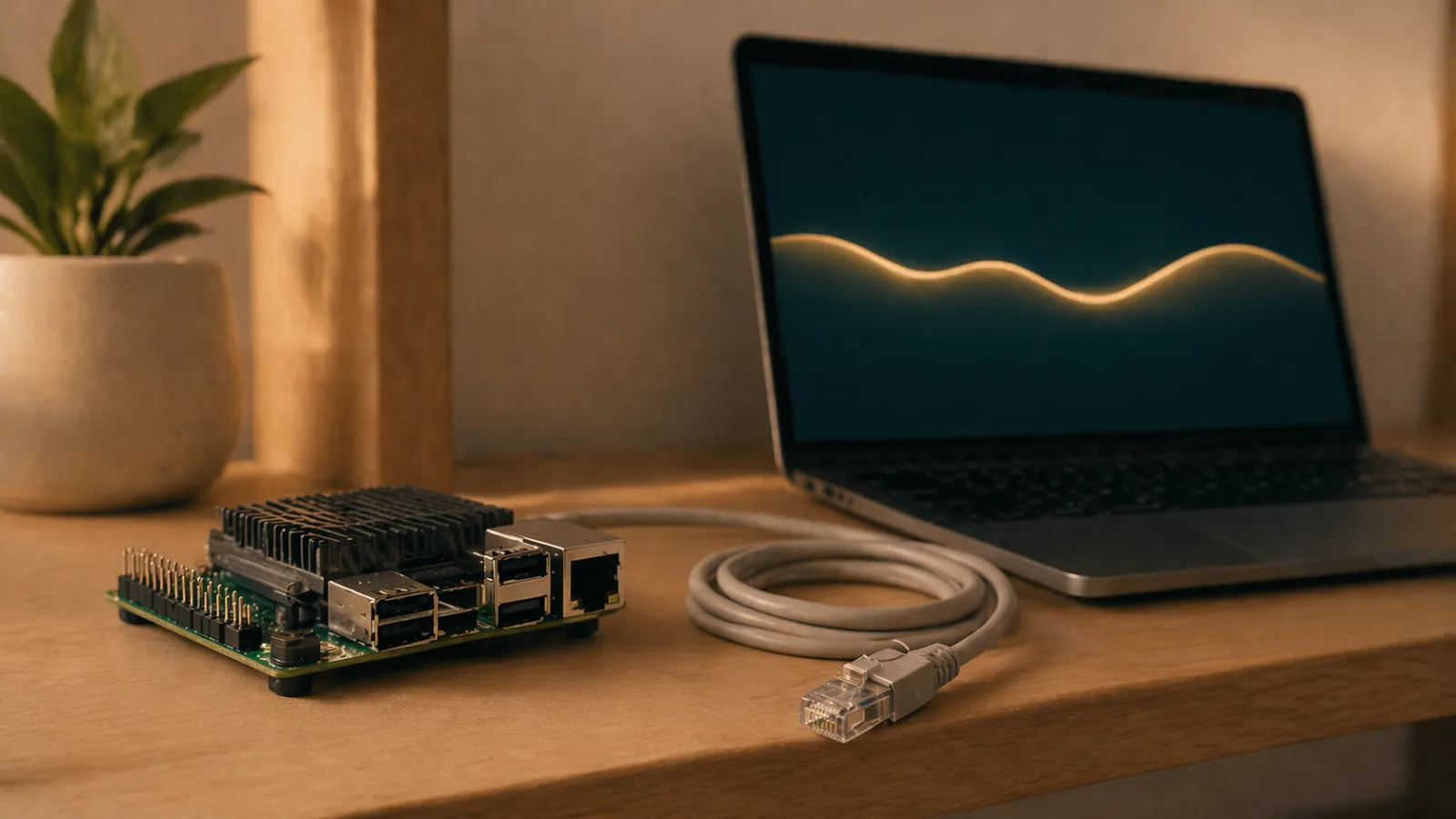
I am not the person who will tell you that a home node rig is going to replace your salary. My node setup clears a modest positive return, sits on a shelf next to the router, and gives me the kind of technical engagement with crypto that spreadsheet farming never does. If you want the farming spreadsheet instead, the airdrop checklist is the better read. If you want a stable little box that makes 35 to 45 euros a month net, stay here.
The hardware, bought used, on purpose
Hardware is a second hand HP ProDesk 405 G6 mini, 16 GB of RAM, and an upgraded 1 TB NVMe drive I added myself. Total out of pocket was 280 euros including the drive. I chose used deliberately. New mini PCs with similar specs cost twice as much and the node workloads do not stress the hardware anywhere near its limits. The machine pulls roughly 12 to 18 watts at idle and 25 watts under sync load, measured with a plug in meter over a full week.
The three roles I run
- A light validator on a small proof of stake chain, where I bonded a modest amount of tokens and run the signing node with a remote watchtower on a cheap VPS for safety.
- A public RPC endpoint on a second L1, rate limited, listed on a community directory that routes a small fee share to live endpoints.
- An oracle relay role, submitting signed price updates for a specialised data feed, with uptime bonded and slashing risk I have personally verified at roughly 2 euros per missed window.
The three roles are deliberately on different chains so a single chain outage does not kill all income for the month. I decided this after watching a friend run three roles on the same L1 and lose an entire month of earnings to a network halt.
The numbers, 18 months in
Gross rewards over 18 months, converted to euros at the day of withdrawal, came to 934 euros. Power consumption at my local rate averaged 3.40 euros a month, so electricity ate 61 euros across the period. Internet was a fixed cost I would pay anyway, so I do not allocate it here. Net over 18 months is 873 euros against the 280 euro hardware cost, for a running net of 593 euros. Monthly run rate has been consistent at 40 euros net, plus or minus 10 euros depending on chain activity.
The uptime routine
Uptime matters. Every node role I run penalises offline time, and the penalties compound if you ignore them for hours. I run a small watchdog script that pings my phone via a free push service if any of the three node processes drops for more than five minutes. I have been paged nine times in 18 months, mostly during forced upgrades. Each incident took under 90 minutes to resolve, and the paging habit is non negotiable; the rail is only profitable because downtime is rare.
This machine also hosts the price alerts that feed my broader crypto risk frame, described in the stablecoin yield article. Running your own alert stack on your own box is cheaper than a paid service and happens to be a sensible off site use for the idle CPU. And for the adjacent wider topic of quiet, long running infrastructure, the cloud storage rental article covers the same spirit applied to different hardware.
Measure real wall power with a plug meter, not the spec sheet
Every node economic calculation I have seen online uses the spec sheet TDP, which is optimistic by a factor of two on most small PCs. A 15 euro plug in power meter will tell you the truth within a week of measurement. Mine showed my box drawing 40 percent more than the spec under sync load, which is the difference between an ROI that pays in eight months and one that pays in eleven.
Do not run a node on a shared home PC you also use for browsing and games. The first time a Windows update rebooted my desktop during a validation window I got slashed 11 euros, which wiped a week of rewards. A 60 euro second hand box dedicated to the task is cheaper than one bad slash. Isolation of the node from all other tasks is the single biggest operational lesson I paid for.
Frequently asked
Is a mini PC really enough to run a node?
For most non consensus client roles, yes. Light validator duties, RPC serving for small DeFi projects, and oracle relay work all run fine on a 16 GB machine with a fast NVMe drive. For full archive nodes on busy L1 chains, you need serious storage and RAM, and the economics only work at scale. I stick to the small roles.
How long before the hardware paid for itself?
On my second hand HP ProDesk, eight months. I paid 280 euros including a larger NVMe, and the combined node rewards across three chains cleared that in October of the first year, power bill included. Year two is pure profit on the hardware side, which is the honest way to look at node ROI.
What happens when a chain forks or upgrades?
I get paged. The machine runs an uptime watchdog, and any unexpected downtime beyond five minutes sends an alert. In 18 months I had two forced upgrades, each took me about 90 minutes on a weekend. Treat node running as a part time hobby with alerts, not a set and forget rail.