The Four Sourcing Rules Behind My Vinted Thrift Flips
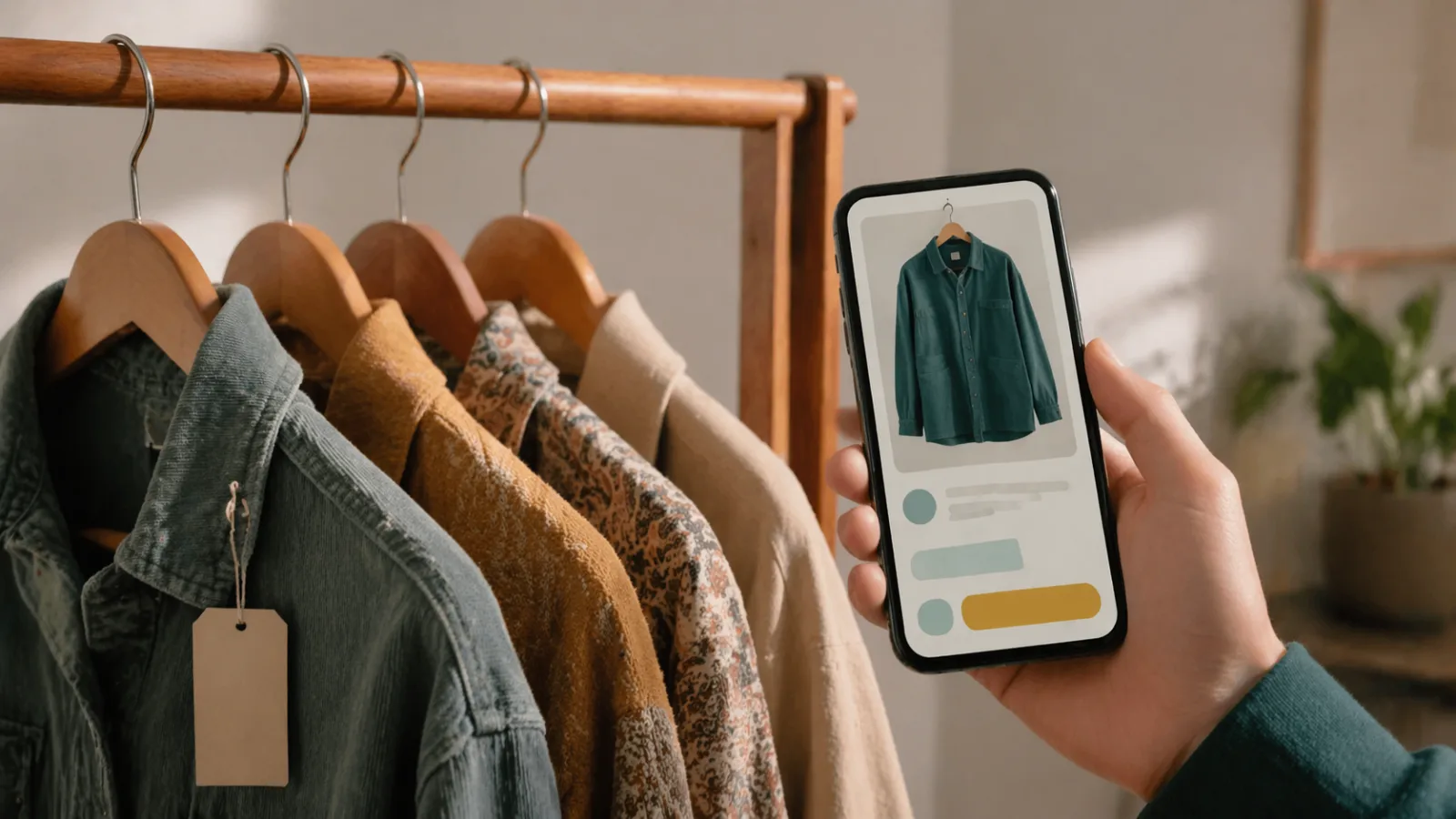
Everyone thrifts differently and that is part of why most thrift to resale channels stall out. The winners I know all have written rules, and the losers buy on vibe. I started losing money on impulse buys from trendy brands that looked great on the rack and sat dead on the listing page. Once I wrote four rules on a receipt and stuck to them, the channel turned from hobby loss to a steady side stream. These rules are the output of 160 listings, not theory.
Rule one, the brand shortlist
I carry a printed list of roughly forty brands in my wallet. The list is organised by category: outerwear, wool knits, denim, leather boots, workwear, sports technical. Each brand on the list has cleared a four times multiple in my historical sales at least three times. If an item on the rack is not on the list, I do not buy, regardless of how pretty it is. This rule alone eliminated 80 percent of my early bad buys. The same discipline appears in other corners of my workflow, including my retail arbitrage routing; channel or category, a filter beats intuition.
Rule two, the four times multiple
I do not buy a garment unless the realistic sell price (from Vinted sold comps, not asking prices) is at least four times the thrift price after shipping and Vinted buyer protection fee. Three times looks tempting but does not survive returns and time cost. A jacket at 8 euros needs to sell for 32 or more; an outerwear piece at 15 needs to clear at 60. I enter the sell comp and thrift price into a small phone note and refuse to buy if the ratio is short.
Rule three, the condition floor
Visible pilling, broken zippers, stains I am not sure I can remove, odours. These are automatic reject conditions. I used to buy items with minor issues thinking I would fix them; the fix labour per unit was the silent killer of my hourly rate. Now if an item is not close to listing ready out of the shop, I pass. A steamer handles wrinkles, a lint roller handles hair, nothing else comes home with me.
Rule four, phone photography, not studio
- Steam the item (two minutes per garment with a cheap upright steamer).
- Hang against a neutral wall in daylight, avoid direct sunlight (creates harsh shadows).
- Five photos minimum: front, back, brand tag, material tag, and one close up of any imperfection.
- Edit only brightness, not colour. Buyers distrust colour corrected thrift photos and a misrepresented shade is the top reason for opened cases.
- Write the description with measurements first, not marketing copy. Chest pit to pit, back length, sleeve, all in cm. This single change doubled my conversion in a month.
The number line over six months
160 listings, 114 sold, 46 still live or relisted, sell through 71 percent at 45 days. Gross sales 3,940 euros, Vinted fees and shipping labels 310, packaging 65, thrift cost basis 680. Net 2,885 euros across six months, or 480 per month on roughly ten hours per week. That is 48 euros per hour, which is higher than my freelance hub baselines and lower than my best broker months. It is consistent, which is the main reason it stayed in my portfolio.
Time your sourcing to Monday mornings
Most thrift stores rotate their floor stock after the weekend donation peak. Monday between 10 and 11 is when I consistently find the best outerwear and wool knitwear. I tested Saturday afternoon runs for two months; my hit rate was half. The buy discipline was identical, the supply was different. This single scheduling shift raised my monthly net by roughly 120 euros without extra hours.
Do not build inventory on fast fashion, even at one euro a piece. I bought thirty units of a trendy fast fashion brand in a close out bin, listed them all, sold twelve at an average 7 euro net, and wrote off the remaining eighteen after three months. The hourly labour on listing and relisting was negative. The lesson was blunt; multiple and brand beat price point, every time.
Frequently asked
How much can you realistically earn on Vinted per month?
On my data, 380 to 620 euros net per month with roughly six hours a week of sourcing and four hours a week of listing and shipping. That is 40 to 65 euros hourly on average, which is respectable for discretionary labour. Scaling beyond that means hiring shipping help or diversifying channels.
Which brands sell fastest?
Mid tier technical outerwear and quality basics from brands most thrifters ignore because the logo is small. Specific premium names in wool knitwear, leather boots and workwear clear within a week at a four to five times multiple. Fast fashion is a trap; the multiple is thin and returns are common.
Do you need to steam and photograph professionally?
Steam yes, professional photos no. Natural light on a hanger in front of a neutral wall beats studio setups because buyers distrust glossy imagery on second hand platforms. I use my phone and a five euro clothes steamer; conversion is higher than when I used a tripod and softbox.